
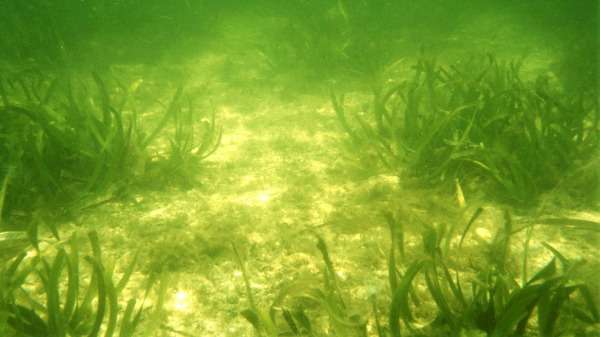
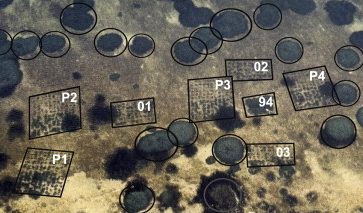
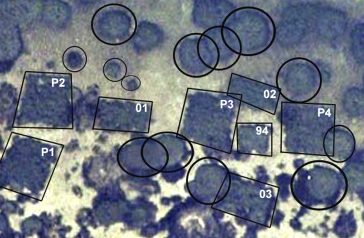
Oyster Harbour and Princess Royal Harbour, two marine inlets on the south coast of Western Australia, lost up to 80% of the seagrass cover between the mid-1960s and 1988 due to clearing for agriculture and use of phosphatic fertilizers. A seagrass transplant pilot study in Oyster Harbour measured survival and growth in situ for 4 years. Long-term survival rates were high (96–98%), providing plants were anchored into the sediment. All unanchored plants were lost in the first winter. Following the success of the pilot study, a more comprehensive program began 3 years later with over 500 transplant units. The project demonstrates that Posidonia australis could be transplanted with a high degree of success into a protected embayment previously vegetated with seagrass meadows.
Seagrass
Method: Transplanting: rhizome fragments
Seagrass species: Posidonia australis
Planting density: 2.6ha transplanted
Hybrid structure: Rhizomes anchored into sediment
Approach
Seagrass
Geographic context
Bay
Organisation responsible
Geoff Bastyan
Primary objective
Test restoration methods
Coastal hazard
Erosion
Asset vulnerable
Natural
Area of project (ha)
2.6
Date of completion
1997
Source of project funding
Research grant
Bastyan, G.R. & Cambridge, M. L. Transplantation as a method for restoring the seagrass Posidonia australis. Estuarine, Coastal and Shelf Science 79, 289-299 (2008). https://doi.org/10.1016/j.ecss.2008.04.012
50-year-old observation leads to the most successful seagrass restoration in the world – PHYS ORG
Project details and images © 2001 Geoff Bastyan.